11. April 2026
Spring Roof Inspection Checklist for North Carolina Homes: Prevent Storm Damage Now
Roof Inspections
As spring arrives in North Carolina, homeowners face a critical window to prepare their homes for the severe weather season ahead. With North Carolina's vulnerability to hurricanes, hail, and straight-line winds—especially from June through November—a thorough spring roof inspection isn't just recommended; it's essential for protecting your home and avoiding costly water damage.
According to the Insurance Institute for Business & Home Safety (IBHS), 40% of storm-related insurance claims stem from undetected roof damage that could have been prevented with a simple spring inspection. Whether you're in Raleigh, Durham, Charlotte, Greensboro, or any other NC community, your roof is your home's first line of defense against the elements.
In this comprehensive guide, we'll walk you through everything you need to know about spring roof inspections, how to spot damage, when to call a professional, and how to prepare your home for North Carolina's unpredictable weather patterns.
Why Spring Roof Inspections Matter in North Carolina
North Carolina's climate presents unique challenges for homeowners. The state experiences:
- Tropical systems and hurricanes (peak season June-November, with Category 1-2 storms occurring annually)
- Hail and severe thunderstorms (spring and early summer)
- High humidity and moisture (fostering mold, algae, and accelerated shingle deterioration)
- Heavy rainfall (averaging 45-50 inches annually, with spring storms delivering intense downpours)
Your roof endures these conditions year-round, but winter and early spring are when damage becomes most apparent. Snow melt, ice dams, wind damage, and debris accumulation all take their toll. By conducting a thorough inspection in spring (March-May), you can:
✓ Identify hidden damage before it becomes a major problem ✓ Address repairs before hurricane season ✓ Extend your roof's lifespan ✓ Protect your home's interior from water intrusion ✓ Maintain your homeowner's insurance coverage (many policies require proof of maintenance)
DIY Spring Roof Inspection: A Step-by-Step Checklist
Before calling a professional, you can perform a safe, ground-level inspection to assess your roof's condition. Never climb onto your roof yourself—this is dangerous and unnecessary for an initial assessment.
What You'll Need:
- Binoculars (for close-up viewing from the ground)
- Ladder (for gutter inspection only)
- Notepad or smartphone camera
- Clear, dry day (avoid inspecting after rain or on wet surfaces)
Step 1: Check for Missing or Damaged Shingles
Using binoculars from the ground, scan your roof for:
- Missing shingles (visible gaps or bare spots)
- Curled or buckled shingles (sign of age or moisture damage)
- Cracked shingles (especially after hail or high winds)
- Bald spots (areas where granules have worn away)
What it means: Asphalt shingles typically last 20-30 years in North Carolina's climate. If you see significant damage, professional replacement may be needed.
Step 2: Inspect Gutters and Downspouts
Clogged gutters are a leading cause of roof and foundation damage. Check for:
- Debris accumulation (leaves, pine needles, branches—common in NC spring)
- Sagging gutters (indicates water weight or structural issues)
- Separated seams (water leaking behind gutters)
- Downspout direction (should extend 5-10 feet from foundation)
Pro tip: FEMA reports that clogged gutters contribute to 15% of North Carolina flood claims. Clean gutters are non-negotiable.
Step 3: Look for Granule Loss
Granules protect shingles from UV damage and weather. Check gutters and downspouts for:
- Excessive granule buildup (looks like coarse sand)
- Bald patches on shingles (visible from ground with binoculars)
What it means: Significant granule loss (>20%) indicates your roof is nearing the end of its lifespan and needs professional evaluation.
Step 4: Examine Flashing and Seals
Flashing (metal strips around chimneys, vents, and skylights) prevents water intrusion. Look for:
- Lifted or separated flashing
- Rust or corrosion (especially on older metal flashing)
- Cracked caulk or sealant
- Gaps between flashing and roof
Why it matters: Flashing failures are a common source of interior leaks, even when shingles appear intact.
Step 5: Check for Storm Debris
Spring storms often leave debris on roofs. Scan for:
- Branches or twigs lodged in valleys or against vents
- Leaves and pine needles (especially in gutters)
- Hail damage (small dents or pitting on shingles)
- Wind-lifted shingles (edges curled upward)
Action: Remove debris promptly to prevent rot and water pooling.
Step 6: Inspect the Attic (Interior Check)
If you have attic access, check for:
- Water stains on rafters or insulation
- Mold or mildew (dark spots or discoloration)
- Daylight coming through roof boards (indicates gaps)
- Sagging insulation (sign of water intrusion)
Red flag: Any visible water damage requires immediate professional attention.
When to Call a Professional Roofer
While DIY inspections are helpful, professional roof inspections are essential in these situations:
After Any Major Storm
If your area experienced winds over 50 mph, hail, or heavy rain, schedule a professional inspection immediately. Storm damage often isn't visible from the ground.
Annual Maintenance
Even without storm damage, have a licensed NC roofer inspect your roof annually—ideally in spring before hurricane season.
If Your Roof is 20+ Years Old
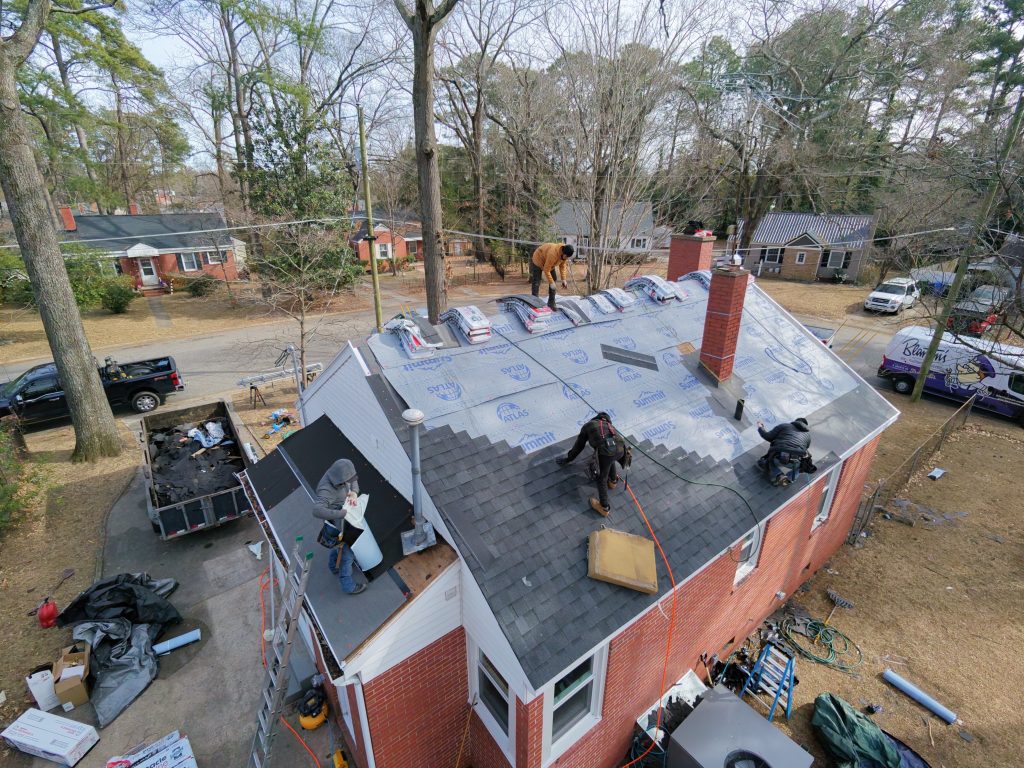
Asphalt shingles have a typical lifespan of 20-30 years in North Carolina. If your roof is approaching this age, a professional assessment can determine if replacement is needed.
If You Notice Any of These Signs:
- Sagging roof deck
- Widespread granule loss
- Multiple missing or damaged shingles
- Interior water stains or leaks
- Mold or mildew in the attic
- Visible flashing damage
What to Expect from a Professional Roof Inspection
A comprehensive professional inspection typically includes:
Ground-Level Assessment
- Visual inspection of roof surface, gutters, and downspouts
- Checking for debris and visible damage
- Photographing problem areas
Attic Inspection
- Checking for water stains, mold, and structural issues
- Assessing ventilation and insulation
- Identifying potential leak sources
Drone Inspection (Modern Option)
Many NC roofers now use drones for detailed, safe imaging. According to 2025 HomeAdvisor data, drone inspections:
- Provide high-resolution photos and video
- Reduce inspection costs by ~20%
- Eliminate safety risks
- Create a detailed damage report
Written Report
A professional inspection should include:
- Detailed photos of damage
- Repair recommendations and priorities
- Cost estimates for repairs or replacement
- Timeline for addressing issues
Cost Estimates (North Carolina, 2026)
Service
Cost Range
Basic ground-level inspection
$200-400
Comprehensive inspection with attic
$300-500
Drone inspection with report
$300-600
Full roof replacement (asphalt, 2,000 sq ft)
$8,000-15,000
Metal roof replacement (premium option)
$12,000-20,000
Spring Roof Maintenance Tips for North Carolina Homeowners
Beyond inspections, these maintenance tasks protect your roof and extend its lifespan:
1. Clean Gutters and Downspouts
- Remove leaves, pine needles, and debris
- Ensure water flows freely away from foundation
- Install gutter guards (mesh types work best in NC humidity)
- Check for leaks or separated seams
2. Trim Overhanging Branches
- Cut branches 10+ feet from your roof
- Prevents debris accumulation and wind damage
- Reduces shade (which fosters mold on shingles)
3. Power Wash Exterior Surfaces
- Use low PSI (1,500-2,000) to avoid shingle damage
- Mix bleach solution (1:10 ratio) for mold and algae
- Clean siding, gutters, and roof valleys
- Timing: Do this in spring before pollen peaks (April-May)
4. Re-Caulk and Repaint
- Inspect caulk around windows, doors, and vents
- Re-caulk any gaps or separated seams
- Repaint peeling areas with mildew-resistant paint
- Protects against water intrusion
5. Check Flashing and Seals
- Inspect metal flashing around chimneys, vents, and skylights
- Replace cracked or deteriorated caulk
- Ensure flashing is properly sealed and not lifted
6. Inspect Foundation and Landscaping
- Look for foundation cracks (>1/4 inch = call a pro)
- Seal minor cracks with concrete caulk
- Ensure mulch is 2-3 inches deep and sloped away from house
- Aerate lawn to combat NC's clay-heavy soil
North Carolina-Specific Roof Considerations
Hurricane Season Preparation (June-November)
- Complete all repairs by mid-May
- Secure loose items (gutters, downspouts, outdoor furniture)
- Review flood insurance (NFIP via fema.gov—NC has high-risk zones)
- Know your evacuation route and emergency contacts
Humidity and Mold Prevention
- Ensure proper attic ventilation (prevents moisture buildup)
- Install soffit and ridge vents if missing
- Use mildew-resistant roofing materials
- Monitor for algae growth on shingles (common in humid NC)
Wind-Resistant Roofing Options
North Carolina's 2024 Residential Code emphasizes wind-resistant features. Consider:
- Metal roofing (rated for 110+ mph winds, IBHS-approved)
- Impact-resistant shingles (resist hail and wind damage)
- Architectural shingles (heavier, more durable than 3-tab)
Energy Efficiency Incentives
Duke Energy and other NC utilities offer rebates for:
- Cool roofing materials (reduce heat absorption)
- Proper attic insulation and ventilation
- Energy-efficient upgrades
Storm Damage: What to Do If Your Roof is Damaged
If you discover storm damage during your spring inspection—or after a severe weather event—follow these steps:
Step 1: Document Everything
- Take photos and videos of all damage
- Note the date and weather conditions
- Keep receipts for any emergency repairs
Step 2: Contact Your Insurance Company
- File a claim promptly (most policies have time limits)
- Request a free insurance adjuster inspection
- Provide documentation and photos
- Ask about coverage for temporary repairs (tarping, board-ups)
Step 3: Get Professional Repair Estimates
- Obtain 2-3 quotes from licensed NC roofers
- Ensure estimates match insurance adjuster findings
- Ask about warranties on repairs or replacement
Step 4: Schedule Repairs Promptly
- Don't delay—temporary damage can worsen
- Ensure contractor is licensed and insured
- Get a written contract with timeline and warranty
Step 5: Follow Up
- Inspect work before final payment
- Request proof of permits and inspections
- Keep all documentation for future reference
Common Roof Problems in North Carolina
1. Wind Damage
- Cause: Hurricanes, derechos, straight-line winds
- Signs: Lifted shingles, missing shingles, exposed nails
- Prevention: Regular inspections, wind-resistant materials
- Repair cost: $500-3,000 (depending on extent)
2. Hail Damage
- Cause: Spring and summer thunderstorms
- Signs: Dents on shingles, granule loss, cracked shingles
- Prevention: Impact-resistant shingles, regular inspections
- Repair cost: $1,000-5,000+ (often covered by insurance)
3. Water Intrusion and Leaks
- Cause: Failed flashing, clogged gutters, damaged shingles
- Signs: Interior water stains, mold, sagging insulation
- Prevention: Gutter cleaning, flashing maintenance, prompt repairs
- Repair cost: $300-2,000 (varies by source and extent)
4. Algae and Mold Growth
- Cause: NC's high humidity and shade
- Signs: Dark streaks or patches on shingles
- Prevention: Power washing, proper ventilation, algae-resistant shingles
- Repair cost: $200-800 (cleaning) or $8,000-15,000 (replacement)
5. Sagging or Structural Issues
- Cause: Age, water damage, inadequate support
- Signs: Visible sagging, interior ceiling cracks
- Prevention: Regular inspections, prompt water damage repair
- Repair cost: $2,000-10,000+ (structural repairs are expensive)
Choosing the Right Roofer in North Carolina
When hiring a professional for inspection or repair, ensure they meet these criteria:
Licensing and Insurance
- ✓ Licensed by NC Licensing Board for General Contractors
- ✓ Current liability insurance
- ✓ Workers' compensation insurance
- ✓ Bonded (protects you if work isn't completed)
Experience and Reputation
- ✓ 5+ years experience in NC
- ✓ Positive reviews on Google, Yelp, and Better Business Bureau
- ✓ References from recent projects
- ✓ Membership in roofing associations (NRCA, GAF, Owens Corning)
Warranty and Guarantees
- ✓ Manufacturer warranty on materials (typically 20-30 years)
- ✓ Workmanship warranty (typically 5-10 years)
- ✓ Written contract with detailed scope of work
- ✓ Warranty transfer if you sell your home
Local Knowledge
- ✓ Familiar with NC building codes and regulations
- ✓ Experience with local weather patterns and challenges
- ✓ Knowledge of insurance claim processes in NC
- ✓ Established relationships with local suppliers
Spring Roof Inspection Timeline for North Carolina
March-April: Early Spring
- Perform DIY ground-level inspection
- Schedule professional inspection if needed
- Clean gutters and remove winter debris
- Trim overhanging branches
April-May: Mid-Spring
- Complete any necessary repairs
- Power wash roof and exterior surfaces
- Re-caulk and repaint as needed
- Finalize hurricane season preparations
May-June: Late Spring
- Verify all repairs are complete
- Review insurance coverage
- Prepare emergency supplies
- Monitor weather forecasts
Key Takeaways: Your Spring Roof Inspection Checklist
Before calling a professional:
Inspect roof from ground using binoculars
Check for missing, damaged, or curled shingles
Look for granule loss in gutters
Examine flashing and seals
Remove debris from roof and gutters
Check attic for water stains or mold
Document any damage with photos
When to call a professional:
After any storm with 50+ mph winds or hail
If roof is 20+ years old
If you notice sagging, widespread damage, or leaks
For annual maintenance (recommended)
For detailed drone inspection and report
Maintenance tasks:
Clean gutters and downspouts
Trim overhanging branches
Power wash exterior surfaces
Re-caulk and repaint as needed
Inspect and repair flashing
Check foundation and landscaping

Don't Wait—Protect Your Home Today
Don't wait for storm season to discover roof damage. Home Solutions NC specializes in comprehensive roof inspections, repairs, and replacements for homeowners throughout North Carolina—including Raleigh, Durham, Charlotte, Greensboro, and surrounding areas.
Our licensed, insured contractors have over 10 years of experience protecting NC homes from the elements. We offer:
✓ Free professional roof inspections (ground-level and attic assessment) ✓ Detailed damage reports with photos and repair recommendations ✓ Competitive pricing and flexible payment plans ✓ 100% customer satisfaction guarantee ✓ Licensed & insured with full warranty coverage
Schedule your spring roof inspection today. Call (919) 809-3172 or visit our website to book a free estimate. Our team is ready to help you prepare your home for North Carolina's severe weather season.